
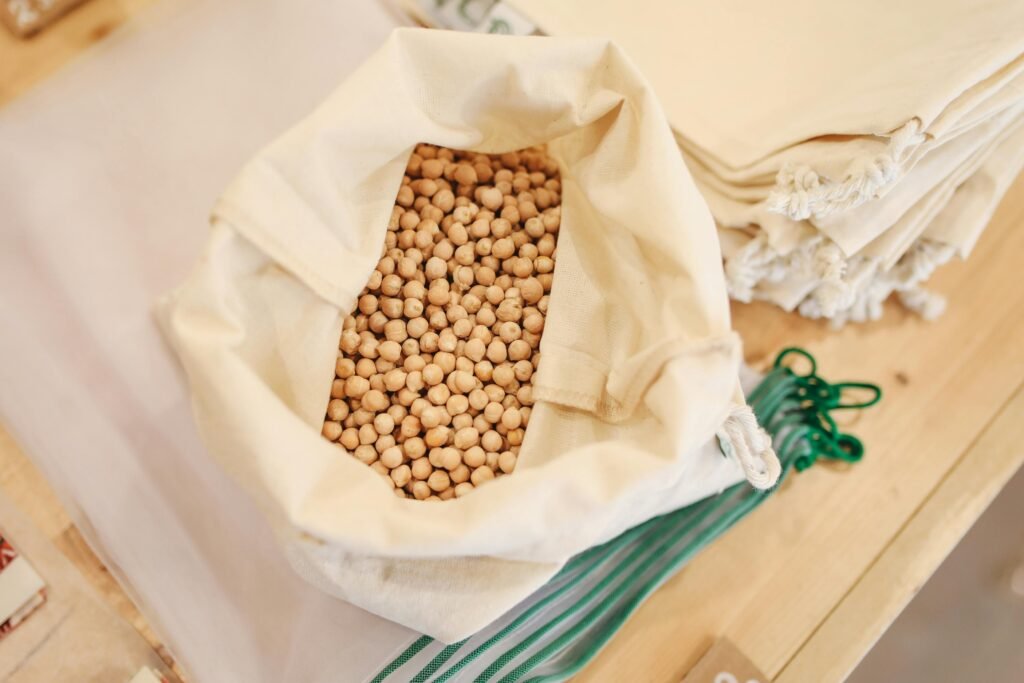
Chickpeas travel well. They’ve crossed deserts, coastlines, spice routes, and centuries — quietly becoming one of the most beloved ingredients in the world.
But here’s the fascinating part: the same chickpea tastes completely different depending on where you are.
In the Middle East, chickpeas are creamy, comforting, deeply spiced, and often eaten warm.
In the Mediterranean, they’re brighter, lighter, olive-oil-forward, and built for long lunches by the sea.
If you love food, culture, and travel adventures, this is the story of how one ingredient reflects two lifestyles.
How Chickpeas Tell the Story of Food, Culture & Travel
Before comparing regions, it helps to understand why chickpeas became so important.
- They grow well in dry climates
- They’re affordable and filling
- They store easily (dried or canned)
- They pair beautifully with spices, herbs, and oils
For centuries, chickpeas fed travelers, farmers, and families — which is why they became cultural staples, not just ingredients.
Chickpeas in the Middle East: Warm, Creamy & Soulful
In the Middle East, chickpeas are more than food — they’re comfort, tradition, and daily life.
How Chickpeas Are Treated
- Usually soaked and cooked from dried
- Often peeled for ultra-smooth textures
- Paired with warm spices and tahini
- Served warm or at room temperature
Texture matters here. Chickpeas are meant to be soft, creamy, and almost melt-in-your-mouth.
Iconic Middle Eastern Chickpea Dishes
Hummus (Levant)
Not the fridge-cold dip many people know — real hummus is:
- Warm
- Silky smooth
- Drizzled generously with olive oil
- Topped with whole chickpeas, paprika, or meat
It’s eaten with bread, not chips, often for breakfast or lunch.
Falafel (Egypt & Levant)
- Chickpeas (or fava beans) soaked, not cooked
- Ground with herbs like parsley and cilantro
- Deep-fried until crisp outside, fluffy inside
Falafel reflects street food culture — fast, affordable, and deeply satisfying.
Balila / Nohut (Across the Region)
- Warm chickpeas
- Lemon, garlic, cumin
- Sometimes eaten as a breakfast dish
This shows how chickpeas aren’t “special occasion food” — they’re everyday nourishment.
Flavor Profile: Middle Eastern Chickpea
- Nutty
- Earthy
- Warm-spiced
- Rich with tahini and garlic
Think: comfort food for slow mornings and shared plates.
Chickpeas in the Mediterranean: Bright, Fresh & Social
Cross the sea, and chickpeas change personality.
In Mediterranean countries, chickpeas are:
- More visible as whole beans
- Lightly cooked
- Tossed with herbs, olive oil, and acidity
They’re part of a lifestyle built around long meals and shared tables.
How Chickpeas Are Treated
- Often cooked al dente, not overly soft
- Served cold or room temperature
- Combined with vegetables, seafood, or pasta
- Dressed simply, not heavily spiced
Here, chickpeas add texture and balance, not creaminess.
Iconic Mediterranean Chickpea Dishes
Revithada (Greece)
- Chickpeas slow-baked with onions and olive oil
- Traditionally cooked overnight
- Rustic, humble, deeply flavorful
This dish reflects patience and tradition — food that cooks while life happens.
Pasta e Ceci (Italy)
- Chickpeas simmered with garlic and rosemary
- Combined with pasta for a hearty but simple meal
It’s comfort food, Mediterranean-style — satisfying without heaviness.
Chickpea Salads (Spain, Southern France)
- Chickpeas tossed with tomatoes, tuna, parsley, lemon
- Often eaten cold in warm weather
Perfect for seaside towns and summer lunches.
Flavor Profile: Mediterranean Chickpeas
- Bright
- Herbal
- Olive oil–forward
- Lightly acidic
Think: sunny afternoons, shared plates, slow conversations.
What Chickpeas Reveal About Culture & Travel
This is where food becomes storytelling.
- Middle Eastern food reflects hospitality, shared plates, and warmth.
- Mediterranean food reflects leisure, seasonality, and simplicity.
When you eat chickpeas in different countries, you’re tasting:
- Climate
- History
- Daily rhythm of life
That’s why food travelers fall in love with dishes that seem “simple” — they’re never really simple.
How to Experience This as a Food Traveler
If you’re traveling (or cooking at home), try this:
- In the Middle East: order hummus without asking for flavors
- In Greece or Italy: order the chickpea dish locals eat, not tourists
- Notice temperature, texture, and how it’s served
- Ask locals when they eat it — breakfast, lunch, or dinner
Food tastes better when you understand why it exists.
FAQs: Chickpeas, Culture & Travel
1. Are chickpeas originally from the Middle East?
Yes, chickpeas are believed to have originated in the Middle East over 7,000 years ago.
2. Why is hummus so common in Middle Eastern countries?
Because chickpeas, tahini, and olive oil were affordable, local ingredients that fed large communities.
3. Do Mediterranean countries eat chickpeas differently?
Yes, they prefer whole chickpeas in salads, soups, and pasta rather than blended dishes.
4. Is chickpea food considered street food or home food?
In the Middle East, both. In the Mediterranean, it’s more commonly home-style cooking.
5. Why are chickpeas popular in travel food culture?
They’re filling, plant-based, adaptable, and deeply tied to regional identity.