
Discover the history behind Christmas food traditions and why we eat certain foods at Christmas. Learn the origins, stories, and cultural meaning.
Ever wondered why Christmas dinner looks the way it does — why we roast turkeys, bake fruitcakes, sip hot cocoa, or pass around candy canes? Christmas food traditions didn’t happen by accident. Every dish comes with a story: some go back hundreds of years, some started as symbols, and others became popular simply because people wanted to celebrate in the coziest, most delicious way possible. This guide breaks down the history behind your favorite festive dishes and explains why we eat certain foods at Christmas around the world.
The Origins of Classic Christmas Foods
Christmas feasts have always been about warmth, generosity, and shared comfort — especially during long, cold winters. Here’s where our most beloved festive dishes actually come from.
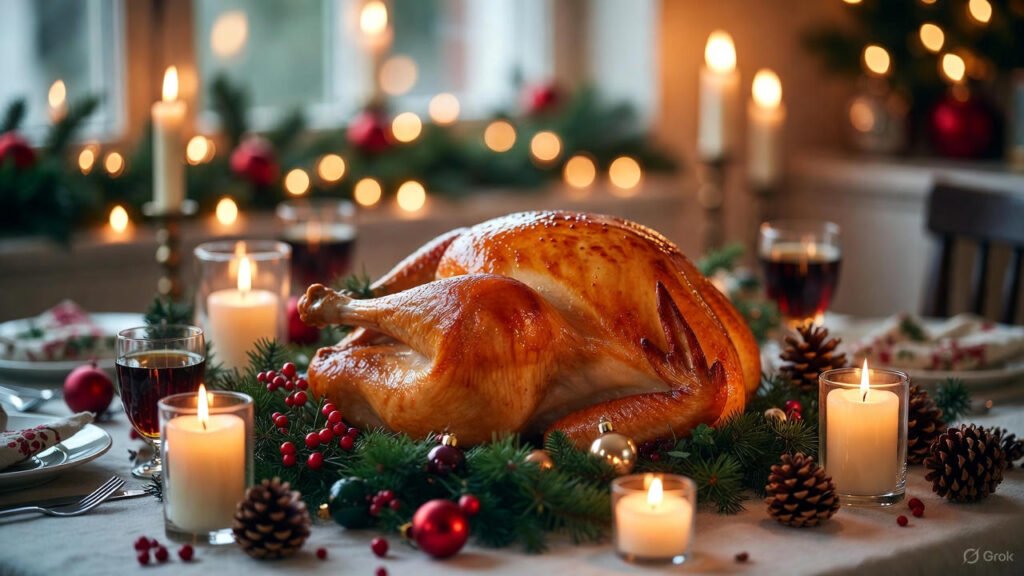
Why We Eat Turkey at Christmas
Turkey became the star of Christmas dinner thanks to King Henry VIII, who was the first English monarch recorded eating turkey for Christmas in the 1500s.
Before turkey, people mostly ate goose, boar, or chicken. But turkey was bigger, easier to raise, and perfect for feeding large families — so by the 1800s, it became the iconic centerpiece.
Why turkey stuck:
- Feeds a crowd
- Felt “luxurious” in the Victorian era
- Charles Dickens mentioned it in A Christmas Carol, boosting its popularity
- Symbolized abundance and family unity
Modern twist:
Some families now swap turkey for:
- Roast chicken
- Beef tenderloin
- Lamb leg
- Vegan stuffed butternut squash
Why Christmas Ham Is a Holiday Staple
Ham has ancient roots. Long before Christmas existed, Northern Europeans held winter feasts honoring the Norse god Freyr — symbolized by a boar. When Christianity spread, the feast blended into Christmas traditions.
Why ham remains popular:
- Easy to cure and store through cold winters
- Sweet glazes pair well with winter spices
- It became a symbol of celebration and prosperity
Common flavor additions:
- Brown sugar
- Maple
- Honey mustard
- Pineapple
- Cloves
Why We Eat Stuffing (and Different Countries Do It Differently)
Stuffing began as a practical way to keep meat moist while roasting over open fires. Over time, families turned it into a flavorful side dish packed with herbs, spices, and regional ingredients.
Popular stuffing variations:
- USA: cornbread stuffing
- UK: sage & onion
- Germany: apple + chestnut
- Italy: sausage + rosemary
- Middle East–inspired: pistachio + dried fruits
Stuffing reflects local ingredients, making it one of the most personalized Christmas dishes.
The Sweet Story Behind Christmas Desserts
Christmas desserts are packed with symbolism — from the colors to the spices to the shapes.
Why Gingerbread Is a Christmas Classic
Gingerbread first appeared in medieval Europe when spices were rare and expensive. Eating spiced treats was a sign of celebration and special occasions.
Why gingerbread became festive:
- Ginger warms the body in winter
- Spices symbolized wealth and generosity
- Queen Elizabeth I decorated gingerbread cookies as people — creating the famous “gingerbread men”
- Shaping houses became popular in Germany
Today, it’s one of the most recognizable Christmas treats worldwide.
Why Christmas Cookies Became a Holiday Tradition
Cookies became popular because:
- They’re easy for kids to help make
- They store well for holiday gifting
- European immigrants brought cookie-cutting traditions to America in the 1800s
The tradition of leaving cookies for Santa began in the 1930s during the Great Depression as a way to teach generosity.
The Meaning Behind Candy Canes
Candy canes weren’t originally striped — they were plain white sugar sticks. A German choirmaster allegedly curved them to look like shepherd’s hooks to keep children quiet during services.
Red stripes were added in the early 1900s.
Symbol meanings:
- White = purity
- Red = sacrifice (later added by candy makers)
- Shape = shepherd’s crook or “J” for Jesus (modern interpretation)
Today they’re a symbol of sweetness, kindness, and holiday cheer.
Why Fruitcake Is a Christmas Icon (Even Though People Love to Joke About It)
Fruitcake dates all the way back to Roman celebrations. Dried fruits, nuts, and spices were expensive, so baking them into a loaf made it a luxurious treat.
Why it became a Christmas staple:
- Long shelf life
- Associated with wealth
- Perfect for gifting
- Popularized in Europe during winter festivals
Tip: For a modern upgrade, soak your dried fruits in orange juice or tea instead of alcohol.
Cultural Christmas Foods Around the World
Christmas looks different everywhere — but festive foods always tell a story of culture and comfort.
UK & Europe
- Christmas Pudding: made with dried fruits and suet; traditionally set on fire with brandy
- Stollen (Germany): symbolized the baby Jesus wrapped in cloth
- Panettone (Italy): sweet bread that represents luck and prosperity
USA & Canada
- Eggnog: originated from medieval “posset,” a warm milk drink
- Sweet potato casserole: inspired by 1800s marshmallow marketing
- Pumpkin pie: tied to harvest festivals before Christmas
Australia & New Zealand
Warm weather = chilled desserts
- Pavlova
- Fresh fruit trays
- Seafood Christmas lunch
Philippines
- Bibingka: rice cake baked in banana leaves
- Lechon: festive roasted pork
- Puto bumbong: purple rice dessert eaten after Simbang Gabi
How Christmas Food Traditions Change Over Time
Food evolves — even at Christmas. Here’s what influences holiday menus today:
1. Family heritage
People mix traditional dishes with new favorites.
2. Diet preferences
Vegan hams, gluten-free cookies, and dairy-free eggnog are now mainstream.
3. Budget & convenience
Many families choose simple, affordable spreads.
4. Social media trends
Charcuterie boards, hot chocolate bombs, and themed cookies now shape modern Christmas cooking.
How to Create Your Own Christmas Food Tradition (Easy Steps)
- Pick 1–2 dishes with personal meaning
- Add a signature twist — a spice, a topping, a flavor
- Include at least one childhood favorite
- Have one “new” recipe every year
- Teach the story behind each dish (kids love this!)
- Repeat it yearly to make it a tradition
Read more on Traditional Christmas Dinner Recipes.
Common Mistakes When Preparing Christmas Dishes
- Making too many dishes at once
- Leaving everything to Christmas Day
- Not testing new recipes beforehand
- Over-seasoning or under-seasoning large meats
- Forgetting oven space limits
Tip: Plan your menu around your oven and prep timeline — not the other way around.
FAQs About Christmas Desserts & Cookies
1. Why do we bake Christmas cookies?
Families baked cookies because they were easy, affordable, and perfect for sharing and gifting during the holidays.
2. What’s the story behind gingerbread houses?
German bakers popularized them after the tale of Hansel & Gretel, and they became tied to Christmas winter celebrations.
3. Why is peppermint a Christmas flavor?
Peppermint was considered a “cooling, refreshing” winter treat and matched the colors of traditional holiday decor.
4. Why is fruitcake associated with Christmas?
Fruit preserved with sugar lasted all winter, making fruitcake ideal for feasting and gifting during the holidays.
5. What is the most traditional Christmas dessert?
In many countries, it’s Christmas pudding, stollen, or fruitcake — but in North America, cookies and pies are most common.